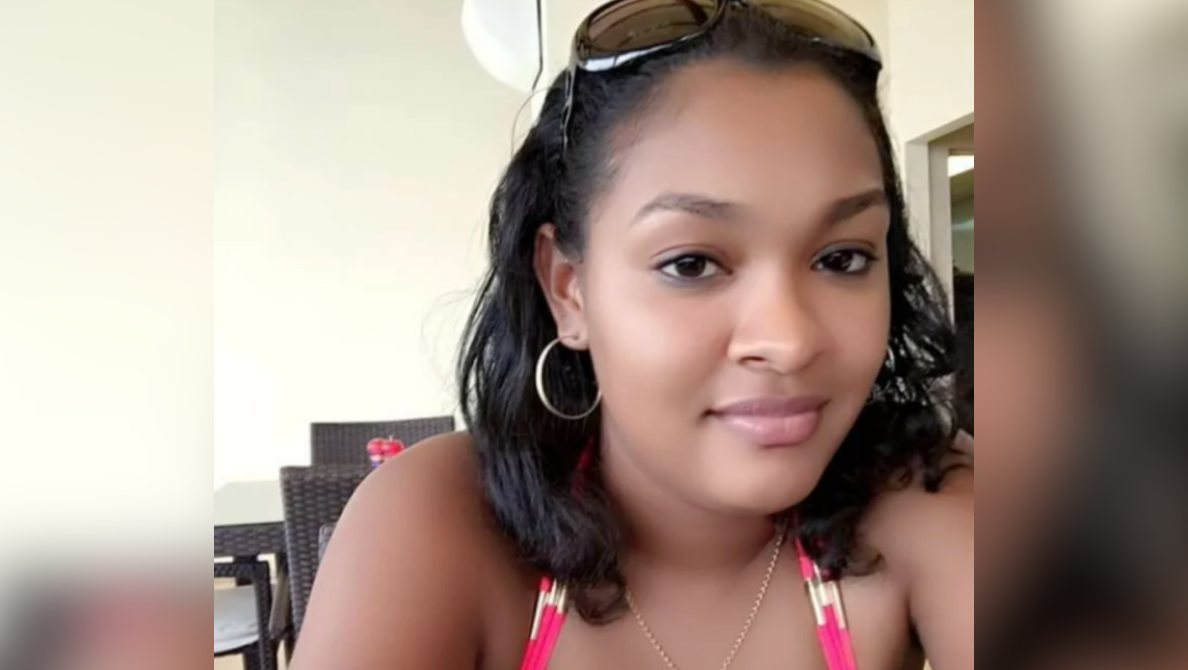


Paula Sequea wants her daughter Salisha to be remembered not by the brutal way her life ended, but by the beautiful life she led and the hopeful life she was building in the U.S. since her arrival in 2024.
Salisha Ali, 33, dreamed of bringing her three daughters to New York from Trinidad — she picked out what schools they would attend and even spoke to a school administrator — in essence, mapping out the life she hoped to create for them all.
“Salisha was a hard working person. She was a loving person and caring mother. She loved her girls. She’d do anything for those girls,” Sequea said from her home in Trinidad. “That’s why she went over there [to the U.S.], to make a better life for them.”
Early Arrival Newsletter
Receive a roundup of immigration and policy news from New York, Washington, and nationwide in your inbox 3x per week.

But that future was cut short last year, when Ali abruptly disappeared. Weeks later, in September 2025, her remains were first discovered by sanitation workers near JFK Airport.
Earlier this month, following the discovery of more remains in the Jamaica Bay Wildlife Refuge in Queens, police arrested Ali’s husband, 74-year-old Rupchand Simboo, in connection with her killing. Investigators searched the wildlife refuge based on data from a GPS app on Simboo’s phone, prosecutors said, and he was charged with murder, concealment of a human corpse, and tampering with evidence.
The state’s records list Douglas G. Rankin as Simboo’s defense attorney. Rankin could not be reached for comment.
For Sequea, the arrest does not bring clarity — only a different kind of emptiness.
“I didn’t feel anything, no emotion,” she said of learning of the arrest. “I’m glad that he’s locked up but I don’t know how to feel. Whether I feel anything, it still won’t bring her back.”
“I’m glad that he’s locked up but I don’t know how to feel. Whether I feel anything, it still won’t bring her back.”
—Paula Sequea, mother of Salisha Ali
As Ali’s family grieves, the case has once again sent shockwaves through New York’s Indo-Caribbean community, where advocates say Ali’s death is not an isolated tragedy, but part of a larger, ongoing pattern.
“My first thought was shock and surprise. And I immediately thought about the family, and I was hopeful that this could be some form of closure for them,” said Simone Jhingoor, co–executive director of Jahajee, a Queens-based gender justice organization. Queens is home to one of the largest Indo-Caribbean communities in the city.
“The response from the community is like, ‘Oh my gosh, this is still happening. Like, how is it that this is still happening?’”
Ali’s death — and now the following arrest — has become the latest example in what advocates describe as a longstanding and deeply-rooted pattern of gender-based violence affecting Indo-Caribbean women, particularly those who are new immigrants in the U.S. In 2007, the murder of Guiatree Hardat, originally from Guyana, was one the first cases that led to the formation of Jahajee. Hardat was shot to death by her fiancé, Harry Rupnarine, who worked as an NYPD transit officer. And in 2016, Rajwantie Baldeo was stabbed to death by her husband after leaving work in Ozone Park.
In Ali’s case, advocates say the reasons why she stayed with her husband can be especially dangerous.
“This man was her immigration sponsor and her being in the situation was a way for her to take care of herself and her family and be able to get them over here,” Jhingoor said.
Those dynamics — where immigration status, financial dependence and isolation intersect — can create layers of vulnerability, Jhingood explained, making it harder for women to leave unsafe relationships.
“It’s usually why a lot of adult Caribbean women and girls, especially folks who are new immigrants, will stay in violent situations.”
For Sequea, those vulnerabilities are painfully clear in hindsight.
Her daughter had built a stable life in Trinidad — she owned a home and worked as an estate constable — but came to the United States hoping to create more opportunities for her children. However, Sequea said behind those plans, there were signs that Ali’s husband, whom she first met in Trinidad and later married, was controlling her.
“If her cousin called her from Trinidad, he would take the phone and say, ‘Stop calling my wife,’” her mother recalled.
Sequea said she urged her daughter to return home. Ali’s children did the same. But Ali decided to stay. “She would tell me, ‘Mommy, don’t worry. He’s not going to do me anything,’” Sequea said.
Eventually, Sequea said Ali did leave her husband but still planned to stay in the U.S. for the remainder of her three-year work permit. But after getting a call from Simboo in July 2025 asking to see her because he was lonely, she went back to the house for a visit. That was the last time Ali was seen alive.
But leaving an abusive relationship is not always straightforward — something advocates say is deeply tied to both cultural expectations and structural barriers.
“There’s just a very specific cultural nuance around the way gender-based violence happens in our community,” Jhingoor said.
In many cases, abuse remains hidden — sometimes until it escalates.
“What’s sad about this whole situation is no one knew about her murder. They didn’t know about her murder until we started talking about it and started uplifting her story and honoring her life,” Jhingoor said.
While the arrest has provided some answers, Jhingoor said it also highlights how much work still remains to be done.
“We need more investment in culturally responsive organizations like Jahajee that are doing this work,” she said. “What happened here is not an isolated incident.”
“It’s very hard. The girls, sometimes they would just break down, they would cry. They want their mommy back.”
—Paula Sequea, mother of Salisha Ali
For Sequea, the focus now is on navigating grief — while holding onto the memory of who her daughter was beyond her death.
Back home in Trinidad, her grandchildren are struggling to process the loss.
“It’s very hard. The girls, sometimes they would just break down, they would cry. They want their mommy back,” she said. “They can’t live without their mommy.”
She hopes that by sharing her daughter’s story, others might recognize the signs of abuse and get out of unsafe relationships sooner.
Survivors of domestic or intimate partner violence, particularly those navigating immigration concerns, may find support through a resource guide compiled by Documented, which details services available across New York.